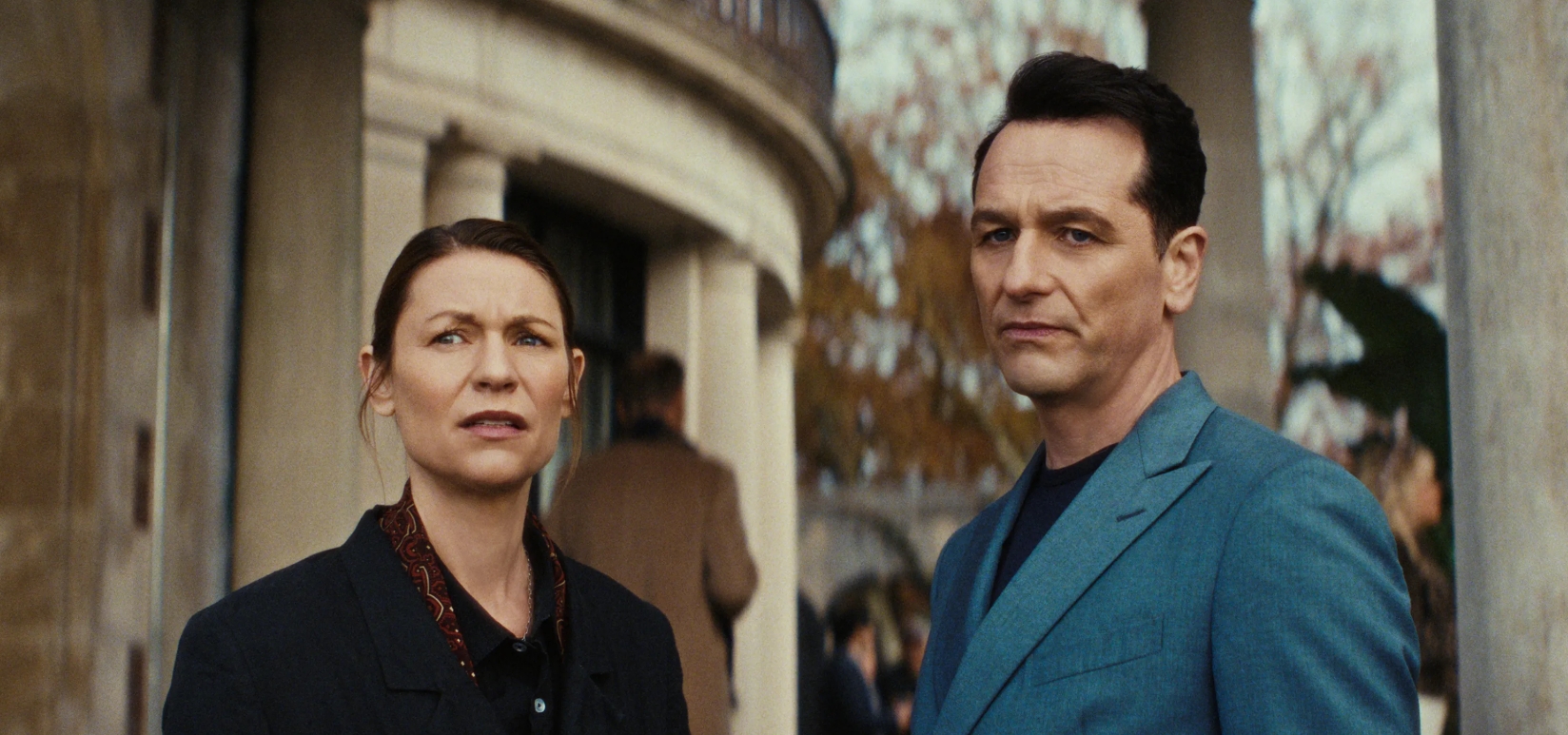
Netflix has quietly taken a step into the world of artificial intelligence by using AI-generated visual effects for the first time in one of its productions—a move that reflects a growing trend across the entertainment industry to adopt emerging technologies as a way to streamline costs and accelerate post-production.
Although the company hasn’t formally publicized the initiative, industry insiders and keen-eyed viewers have noted subtle differences in certain scenes that suggest the integration of AI-assisted visuals. These enhancements, while not drastically altering the overall storytelling, indicate a shift in how streaming platforms like Netflix approach their production pipelines.
Throughout the last ten years, Netflix has developed a name for producing original content of impressive quality, frequently featuring grand visuals and a significant use of digital effects. Nevertheless, the expenses involved with extensive VFX efforts can be considerable. By integrating AI technologies into the creative workflow, the company aspires to achieve a harmony between preserving cinematic excellence and lessening dependence on costly manual adjustments or animation.
The integration of AI in this setting includes algorithms for machine learning that can carry out duties usually managed by extensive groups of artists. For instance, enhancements to backgrounds, tweaks to lighting, and minor visual tidying up can now be completed in much less time than it would require with traditional techniques. This not only reduces the duration of production schedules but also lets creators distribute resources more effectively.
For Netflix, which continually manages a vast slate of international content, these efficiencies could have a considerable impact. With more than 260 million subscribers globally, the platform must constantly deliver fresh, diverse programming to stay ahead in a fiercely competitive streaming market. As production budgets tighten and competition intensifies, any innovation that supports scalability without compromising on quality becomes valuable.
Industry experts indicate that this initiative represents more than a single test. The application of AI-generated visual enhancements may become a common approach in upcoming projects, especially in medium-budget series or movies where visual improvements are essential but assembling full effects teams may not be cost-effective. This trend might lead other studios and networks to consider analogous approaches.
At the same time, the growing presence of AI in creative industries has sparked debate. While AI offers speed and efficiency, there are concerns about its impact on employment within VFX and post-production sectors. Artists and technicians who have long been integral to the storytelling process worry about being replaced or seeing their roles reduced. Some unions have even called for clearer guidelines and protections as AI tools become more sophisticated and widely adopted.
Netflix, for its part, appears to be proceeding with caution. Rather than replacing entire teams, the AI implementation seems focused on supporting creative work, not eliminating it. Sources close to recent productions indicate that the technology is being used to handle repetitive or time-consuming tasks, freeing up human artists to focus on more complex and creative aspects of the process.
Beyond cost savings, there’s also the question of creative flexibility. AI tools can offer new possibilities for directors and editors who want to experiment with visual styles or correct minor issues after principal photography is complete. For example, AI can help match color grading across different scenes, replicate lighting environments, or remove unwanted objects without reshoots—all capabilities that enhance creative control while staying within budget.
This method is consistent with a wider industry movement where AI integrates into the filmmaking set of tools instead of being a disruptive element. Prominent studios like Disney and Warner Bros. are already investigating comparable uses, such as analyzing scripts and automating dubbing. In this regard, Netflix is not leading nor trailing but is advancing alongside the technological adaptation.
Nevertheless, clarity continues to be essential. People are showing more interest in how material is created, and there is an increasing demand for insights into the production process. As artificial intelligence takes on a more significant role in creating content, organizations might find it necessary to reveal its use—not just to engage audience curiosity but also to maintain industry norms and build confidence.
Looking to the future, Netflix is expected to persist in exploring AI-powered solutions, especially as the technology evolves. The aim is not immediately to transform filmmaking completely, but to slowly incorporate tools that enhance storytelling effectively and on a larger scale. Whether this results in a widespread shift in content production is still uncertain.
For now, the subtle inclusion of AI-generated effects marks a new chapter in Netflix’s evolution—one where innovation and pragmatism converge. As streaming platforms face increasing pressure to deliver more for less, artificial intelligence may become an essential ally in the ongoing pursuit of quality entertainment.